.png?quality=high&width=300&height=141&name=CSG%20Logo%20c%20(1).png)
UK Clean Energy Industries Sector Plan
Build it in Britain. Power the World.
Britain used to be an energy powerhouse. We built technologies that brought jobs and prosperity across the country. We have a once in a generation chance to build on that prosperity and growth, but only if we double down on our advantages. If we delay, or fail to seize the available opportunities, other countries will win the race for these industries of the future. Clean energy is that future and a perfect fit for the UK’s strengths.
The UK has major growth opportunities in Clean Energy Industries. We are a coastal nation, a scientific and innovation superpower, with strengths in high-value manufacturing and a skilled energy workforce to match. With our world-leading renewable energy deployment, and deep capital markets, Britain is the natural home for Clean Energy Industries. We can deliver investment in manufacturing and deployment that will have significant spillover benefits for innovation, services, and skills across the country, leveraging the clean energy transition to turbocharge growth.
Clean energy investors are clear that they want to grow in the UK and to invest billions here, but they cannot do this on their own. They need certainty, they need stability, they need a partner to take the first step with them in developing new technologies, and they need an incentive to expand supply chains. This is our plan to secure that growth, to back those Clean Energy Industries and unlock billions more in investment. To break down barriers to projects, to invest alongside industry where necessary, to ensure we create good jobs, to incentivise companies to build it in Britain.
This is the global economic opportunity of our time, and in an uncertain world, the Government’s Missions to Kickstart Economic Growth and make the UK a Clean Energy Superpower are sending a clear message that we are unwavering in our commitment to these industries and to energy security. The net zero economy is already growing three times faster than the wider UK economy and we have seen over £40 billion of private investment in clean energy announced since July. Our Clean Industry Bonus smashed expectations, with £544 million for offshore wind developers to prioritise investment in regions that need it most, leveraging billions more in private investment, including in traditional oil and gas communities, ex-industrial areas, ports, and coastal towns.
Delivering Clean Power by 2030 will protect the economy and billpayers from the rollercoaster of fossil fuel prices, the cause of half of recessions since 1970. By harnessing the potential of AI, automation and advanced technologies we can optimise how energy is generated and consumed. The resulting modern, affordable, and secure energy system is fundamental to building a stronger and more productive economy. The UK will build an energy system that will bring down bills for households and businesses for good, bringing certainty, stability, and growth.
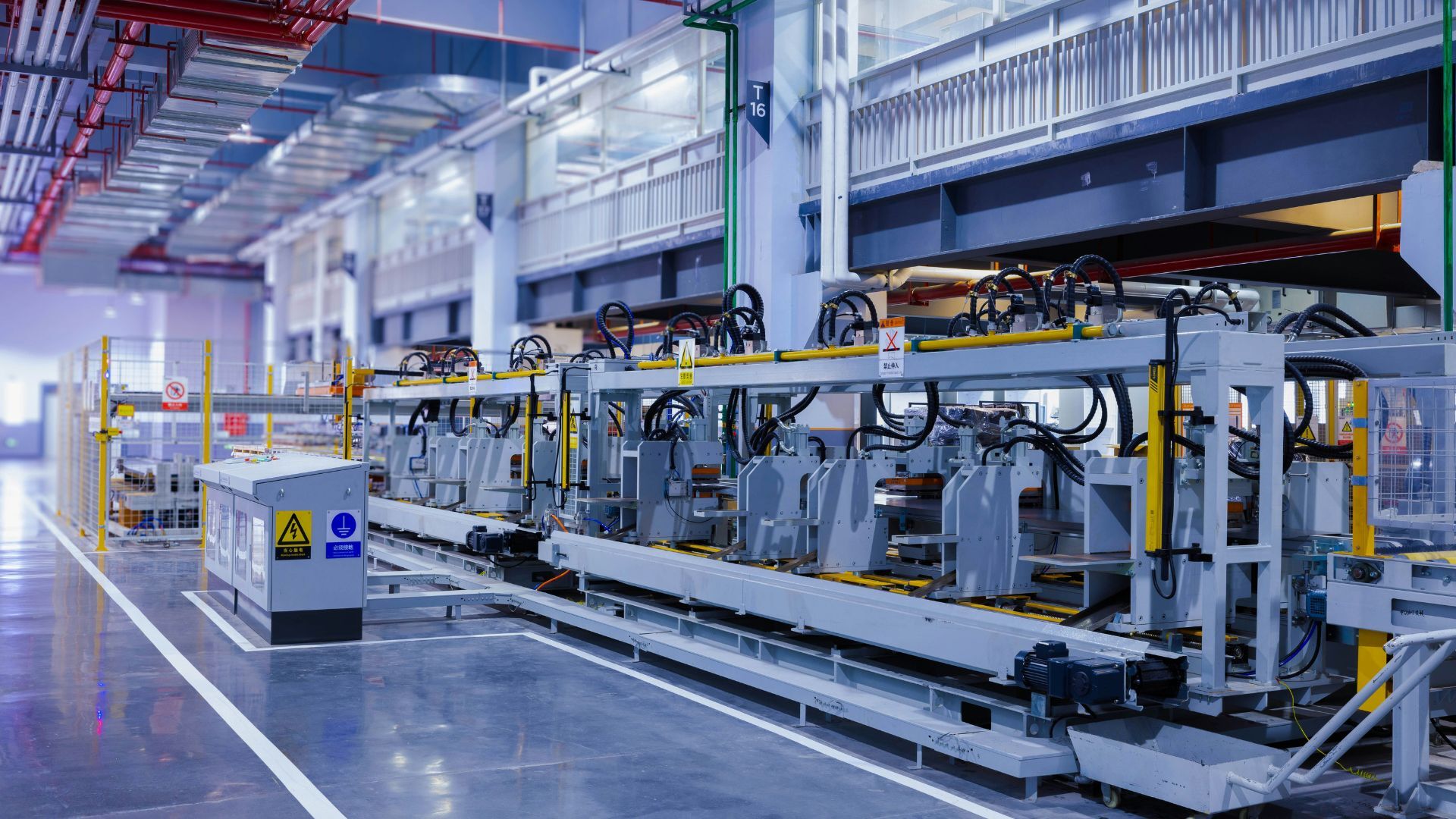
Growing our Clean Energy Industries and boosting domestic supply chains is fundamental to supporting wider industry to decarbonise. Growing our Clean Energy Industries and boosting domestic supply chains is fundamental to supporting wider industry to decarbonise. Foundational industries such as steel, chemicals, critical minerals, composites and other materials such as glass, provide critical input to enable growth in Clean Energy Industries.
UK Strengths
Where Britain has strengths, the Government will double down on them. We will:
-
Lean into our strengths as a coastal power, to ensure we continue to lead the world in offshore wind, with turbines made here at home.
-
Unleash the pent-up power of onshore wind, maintaining momentum after the Government lifted the ban on this growing technology.
-
Build on our status as a leading nuclear nation, to deliver nuclear fission projects to power our country for decades to come.
-
Harness our digital strengths, using technology to boost grid flexibility, ensuring resilience, and reducing costs.
-
Utilise our skilled energy workforce, including from the oil and gas sector, by developing new carbon capture and hydrogen facilities in our industrial heartlands, and revitalising communities.
-
Put our home heating expertise to use, to make and install a new generation of heat pumps, building on the skills of Britain’s boiler makers.
-
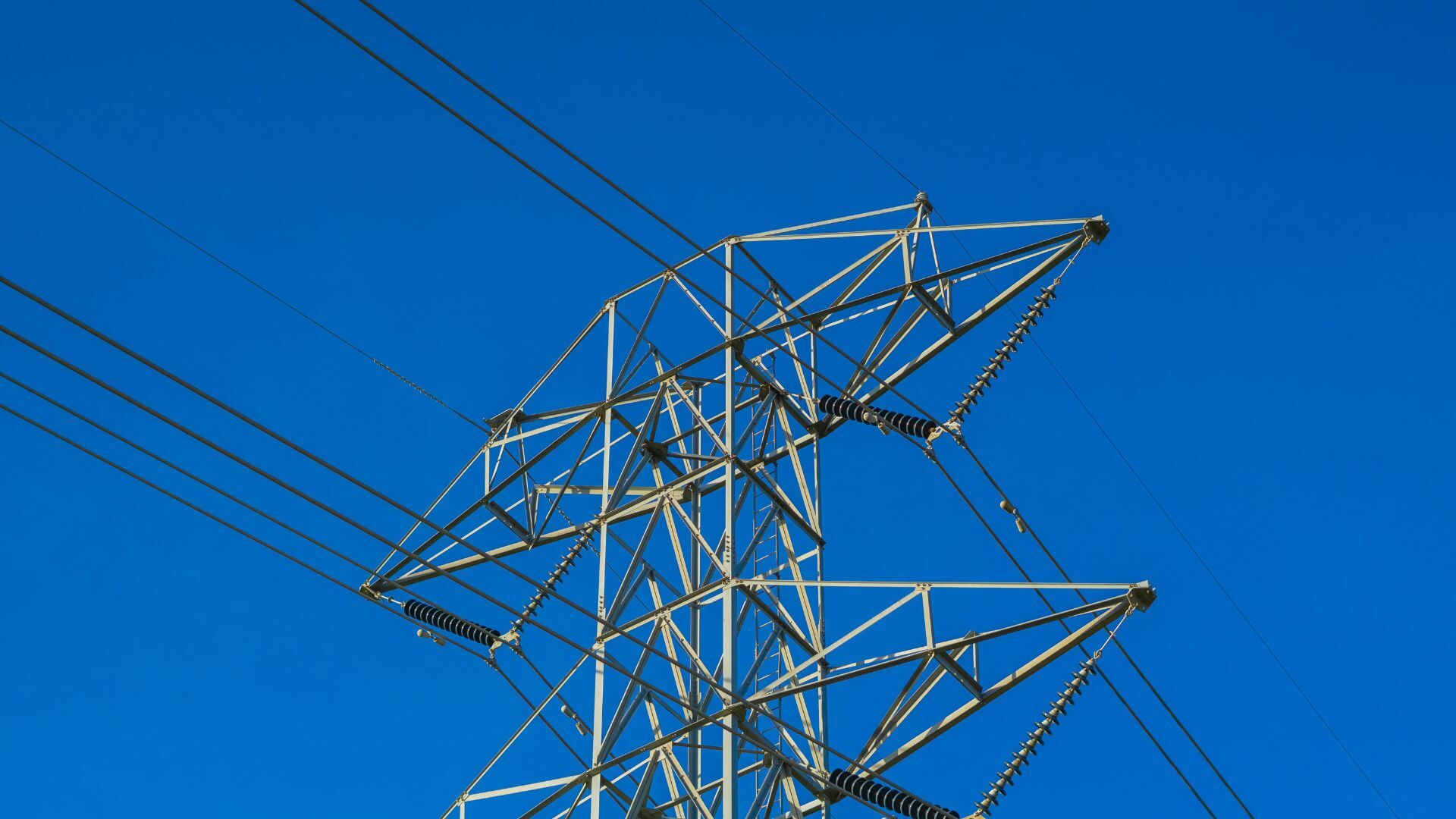
Lay the foundations for growth, by ensuring Britain’s electricity network supply chains grow rapidly so clean power projects can connect to the grid.
-
Use our position as a scientific superpower to sprint ahead in the global race for fusion energy technology and look to the future of clean energy.
-
Maximise our potential to export our technologies and service expertise by growing domestic industries and securing favourable trade partnerships.
-
Leverage our world-leading green finance sector, to cement the UK's role as the sustainable finance capital of the world.
To capitalise on these strengths, we must be focussed. In this strategy we signal our priorities for the UK’s clean energy economy. This is about making positive, if challenging, choices and identifying frontier Clean Energy Industries where we have the greatest growth potential. These are: Wind (Onshore, Offshore and Floating Offshore), Nuclear Fission, Fusion Energy, Carbon Capture Usage and Storage (CCUS) including Greenhouse Gas Removals (GGRs), Hydrogen, and Heat Pumps. Electricity networks also provide a number of foundational inputs to the growth driving sectors, including HVDC cables and transformers, acting as a cross-economy enabler of growth.
There are many other technologies which are also vital for the Clean Energy Superpower Mission but are not among these frontier industries. These include solar, bioenergy, storage including Long Duration Energy Storage, heat networks, and smart technologies. We will continue to support the deployment of these technologies.
Other Sector Plans include other key green technologies beyond Clean Energy Industries - electric vehicles and battery technologies in Advanced Manufacturing, climate technologies within Digital and Technologies, green services in Professional and Business Services, and sustainable finance within Financial Services. The Industrial Strategy sets out our approach to foundational industries. These sectors are essential to delivering our net zero targets and supporting the global transition. Through these Sector Plans, we are ensuring British businesses are financing, innovating, making, and exporting the next generation of green technologies in the UK and overseas.
Our Vision
By 2035 the UK will be a global leader in Clean Energy Industries, creating hundreds of thousands of good jobs at good wages across the country, supported by strong trade union recognition. We will become a world-leading exporter of low-carbon products, services and innovation.
As a global leader, by 2035 we want the UK to:
-
Be the most attractive place in Europe to invest in Clean Energy Industries.
-
Have grown exports in all frontier Clean Energy Industries.
-
Have created hundreds of thousands of good quality jobs across the country.
-
Have driven higher domestic commercialisation of evolving clean energy technologies.
-
Have secured more resilient and robust supply chains.
In line with the wider Industrial Strategy, we are targeting at least a doubling of current investment levels across our Clean Energy Industries to over £30 billion per year by 2035. In addition, our plan to decarbonise the power system by 2030 will create a new era of clean energy independence, unleashing an estimated £10 billion per year in largely private investment into electricity transmission networks alone. We will achieve our vision by:
-
Providing a clear mission to drive investment certainty. We are confirming long term deployment plans for key technologies and updating regulations to support growth, providing certainty to industry.
-
Delivering targeted catalytic public investment to drive jobs, innovation and growth. This includes a new £1 billion Clean Energy Supply Chain Fund under Great British Energy, the National Wealth Fund with a total £27.8 billion in capital, and the British Business Bank with £25.6 billion in total financial capacity including £4 billion in additional scale-up and start up support.
-
Breaking down barriers to investment. We are reducing electricity costs for IS-8 manufacturing industries and foundational industries and increasing support for our most energy-intensive industries. We are removing blockers in the planning system via the Planning & Infrastructure Bill and National Policy Statements. We will ensure delivery of key infrastructure, particularly grids, ports, rail, and road.
- Ensuring we have the killed workforce we need, creating good quality jobs and ensuring they are at the heart of our clean energy future. We will ensure workers voices are represented, including through strong trade union recognition. The clean Energy Workforce Strategy will ensure that jobs are not only abundant, but also of high quality, focusing on fair pay, favourable terms, and good working conditions.
Not just jobs, good jobs
We know our plan will usher in economic growth, but it is essential that this benefits people across the UK. Our plan will not just create jobs, it will create good jobs. In 2022, there were 450,000 employees working either directly in low carbon and renewable energy jobs, or in the wider supply chain. These jobs tend to pay higher wages than the national average, and hundreds of thousands more could be supported in net zero sectors by 2030. We are partnering with workers, trade unions, devolved governments, mayoral strategic authorities, and businesses to ensure these jobs are high quality. We will shortly set out Government’s first ever Clean Energy Workforce Strategy. Our plan will benefit every nation and region of the UK, taking full advantage of the skills of our existing energy workforce and giving a new lease of life to industrial and coastal communities. Many manufacturing jobs are based outside of London and the South East, spreading benefits across the country.
Diversified, resilient supply chains
International trade is undergoing a rapid transformation, and increasing demand for clean energy presents significant opportunities and challenges. The UK is reliant on a range of imported materials, components, and technologies. Global value chains are more specialised and efficient, but this has sometimes resulted in complex and interdependent supply chains. These are vulnerable to disruption, especially where supply of critical inputs are concentrated in one or a few countries. Equally, advanced economies are defined by their broad-based specialisms and economic capabilities. In this regard, relative to other G7 economies, the UK has suffered sustained decline in the diversity of its manufacturing export strengths since the 1990s. We will diversity the UK's supply chains and build up manufacturing capacity.
Source: UK Government: https://www.gov.uk/government/publications/clean-energy-industries-sector-plan
The Critical Supply Group consists of companies and professionals committed to secure and resilient critical supply chains. CSG is managed by MAP UK & International. For more details, including how to get involved, or to make contact with any of the entities involved, please email info@mapukinternational.com.